


Overview
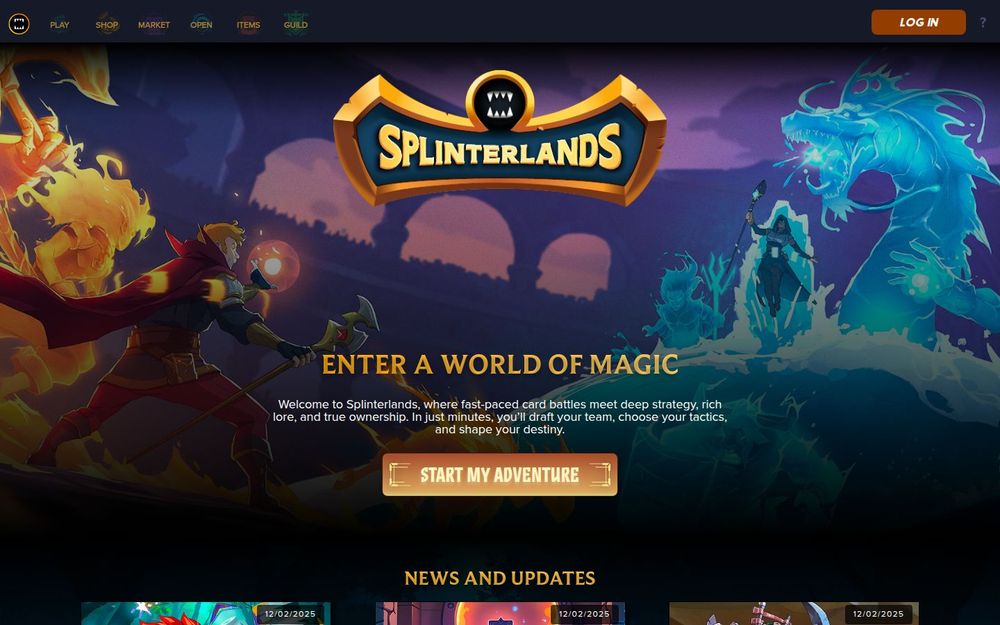
Splinterlands is a web3-based collectible card battler that offers quick, strategic matches and robust player ownership of in-game assets. In each battle you select a summoner and a lineup of cards, each influenced by elemental alignment and mana costs. The game emphasizes short sessions that still demand tactical depth: positioning, ability synergies, and choice of summoner can all sway the outcome. Splinterlands also connects gameplay to a digital ledger so players truly own their cards, enabling trading, renting, crafting, and staking that extend beyond the game client.
Core Capabilities
-
Fast, Strategic Battles: Matches are designed to be completed in minutes while preserving deep strategic layers involving formation, abilities, and mana management.
-
True Digital Ownership: Cards and certain assets live on a blockchain ledger, allowing players to buy, sell, rent, and merge cards outside the central game servers.
-
Diverse Card Sets and Progression: Regular releases (for example, the Conclave Arcana core set) introduce new cards, abilities, and collectible variations like foils and archons that change how decks are built.
-
Marketplace and Economy: Integrated marketplaces let players trade cards, acquire packs, and participate in a player-driven economy. Crafting mechanics and limited-time shop items create additional avenues for collecting and upgrading.
-
Community and Social Features: Guilds, leaderboards, tournaments, and social integrations (Discord, X/Twitter, Twitch, etc.) support cooperative play, mentorship, and competitive scenes.
Main Features
-
Card Battles & Deck Building: Assemble teams under a summoner’s elemental constraints and deploy tactics across different match rules and formats. Cards have stats like health, speed, armor, and attack types (melee, ranged, magic), plus special abilities.
-
Web3 Asset Ownership: Cards are tokenized so players can own, trade, rent, and stake them. Duplicate cards can be merged to level up; ownership on the ledger provides long-term asset portability.
-
Marketplace & Crafting: Buy packs, list cards on the market, or craft special items and land-related cards during limited windows. Crafting and a dynamic shop (with countdowns for exclusive items) enhance collection strategies.
-
Expansion Sets & Meta Evolution: Frequent expansions introduce new mechanics and abilities—keeping the metagame fresh. Examples include new abilities, archons that summon by bloodline, and ultra-rare foils.
-
Community, Guilds & Events: Join guilds, compete in Conflicts, or participate in community-run tournaments. The game fosters social learning and rewards collaboration.
Why Choose Splinterlands?
Splinterlands is suited for players who want rapid yet meaningful card battles coupled with tangible ownership and a player-driven economy. Its blend of accessible match lengths and deep strategy makes it appealing to casual and competitive players alike. The web3 component adds long-term value to collections, enabling real trading and staking opportunities. Regular content updates, seasonal events, and an active global community keep the experience evolving and engaging.
Getting Started Tips
- Begin with the Academy and starter content to learn summoners and elemental synergies.
- Experiment with different card abilities and positions to discover synergies and counters.
- Use marketplaces and guilds to source cards, learn from veterans, and participate in community events.
Splinterlands combines collectible card strategy with blockchain-driven ownership to offer a unique, evolving battler for players who want both competitive depth and real asset control.


