


Overview
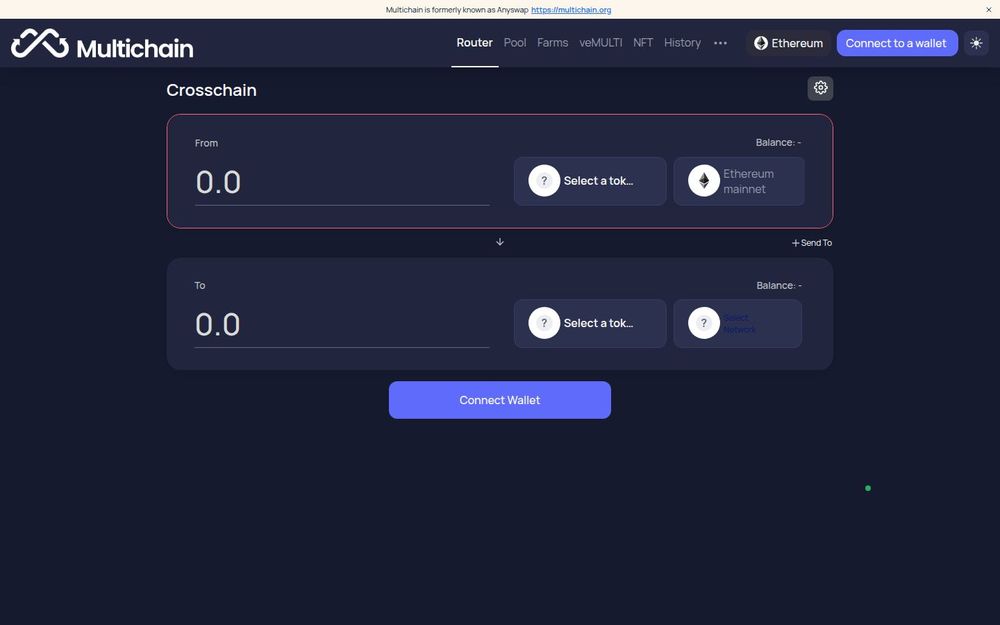
Multichain (formerly Anyswap) is a cross-chain router protocol and bridging application designed to move tokens and assets across diverse blockchain networks. The platform exposes a user-facing web app at app.multichain.org that lets users connect wallets, select source and destination chains, pick tokens, and perform cross-chain transfers. Multichain aims to simplify cross-chain asset movement by handling the routing, liquidity sourcing, and execution logic behind the scenes so users can complete transfers with a streamlined experience. It supports a broad set of networks and token types and is designed to be non-custodial: users retain control of their keys while the protocol coordinates cross-chain settlement.
Core Capabilities
-
Cross-chain token bridging: Multichain provides an end-to-end bridging mechanism that moves tokens from one blockchain to another, managing locks, burns, or cross-chain minting as required by the underlying chain bridges.
-
Automatic routing and liquidity sourcing: The protocol can route transfers across multiple intermediate hops and liquidity sources to optimize for cost, speed, and slippage, allowing transfers even between chains with no direct bridge by leveraging router paths.
-
Wallet integration and UI-driven transfers: Through the web interface, users can connect common wallets, select networks and tokens, and initiate transfers with guided prompts, balance displays, and token pickers.
-
Multi-network support: Multichain supports numerous EVM-compatible and non-EVM chains, enabling broader reach for token transfers and cross-chain interoperability.
-
Non-custodial architecture and auditing focus: The protocol emphasizes non-custodial operations and typically provides on-chain transparency, with code and contracts designed for auditability and community review.
Key Features and How They Work
-
1. Cross-chain transfers: Users choose a source chain and token, then a destination chain and token; Multichain coordinates the transfer via its router network, which can use liquidity pools or bridges to complete the transaction.
-
2. Routing optimization: The system evaluates available routes and liquidity to find efficient paths, sometimes splitting or sequencing operations across multiple chains to achieve lower fees or better execution.
-
3. Token selection and wrapped assets: The app supports native tokens, wrapped representations, and pegged assets, handling conversion when necessary to represent assets on the target chain.
-
4. Wallet connectivity and confirmations: Integration with popular wallets allows users to sign transactions and confirm each step, keeping private keys local and ensuring users maintain custody.
-
5. Developer integrations: Multichain provides tooling and contract interfaces for developers to integrate cross-chain capabilities into dApps and services.
Security, UX, and Practical Considerations
Multichain is intended to be non-custodial, but cross-chain operations involve complex on-chain flows and multiple smart contracts. Users should verify contract addresses, ensure they are on the official app, and be aware of potential delays while cross-chain finality and relay confirmations complete. The UI includes token selectors, network indicators, and balance displays, but users must monitor gas fees and potential slippage, especially when routing through intermediate chains. The platform historically emphasized audits and community scrutiny; however, bridging always carries protocol and counterparty risk, so best practices—such as testing with small amounts—are recommended.
Why Use Multichain
Multichain is suitable for users and developers who need a single, unified interface for moving tokens across multiple blockchains without managing numerous bespoke bridges. It abstracts routing complexity, aggregates liquidity options, and supports a wide range of chains and token formats. With its focus on non-custodial operations and developer integrations, Multichain is positioned as both a consumer-facing app and an infrastructure protocol for cross-chain dApp builders. For secure usage, confirm endpoints, start with small transfers, and consult available documentation and audits before moving large amounts.


